The Fear Doesn’t Go Away After You Publish: A Conversation with MM Romance Author Alex Cross
There’s a particular kind of vulnerability that happens after you publish a book.
Before publication, the story mostly belongs to you. It lives in your head, your drafts, your trusted conversations with critique partners and editors. But once it’s out in the world, it becomes public. People react to it. Judge it. Interpret it. Sometimes misunderstand it completely.
And for author Alex Cross, that shift was far more emotionally intense than she expected.
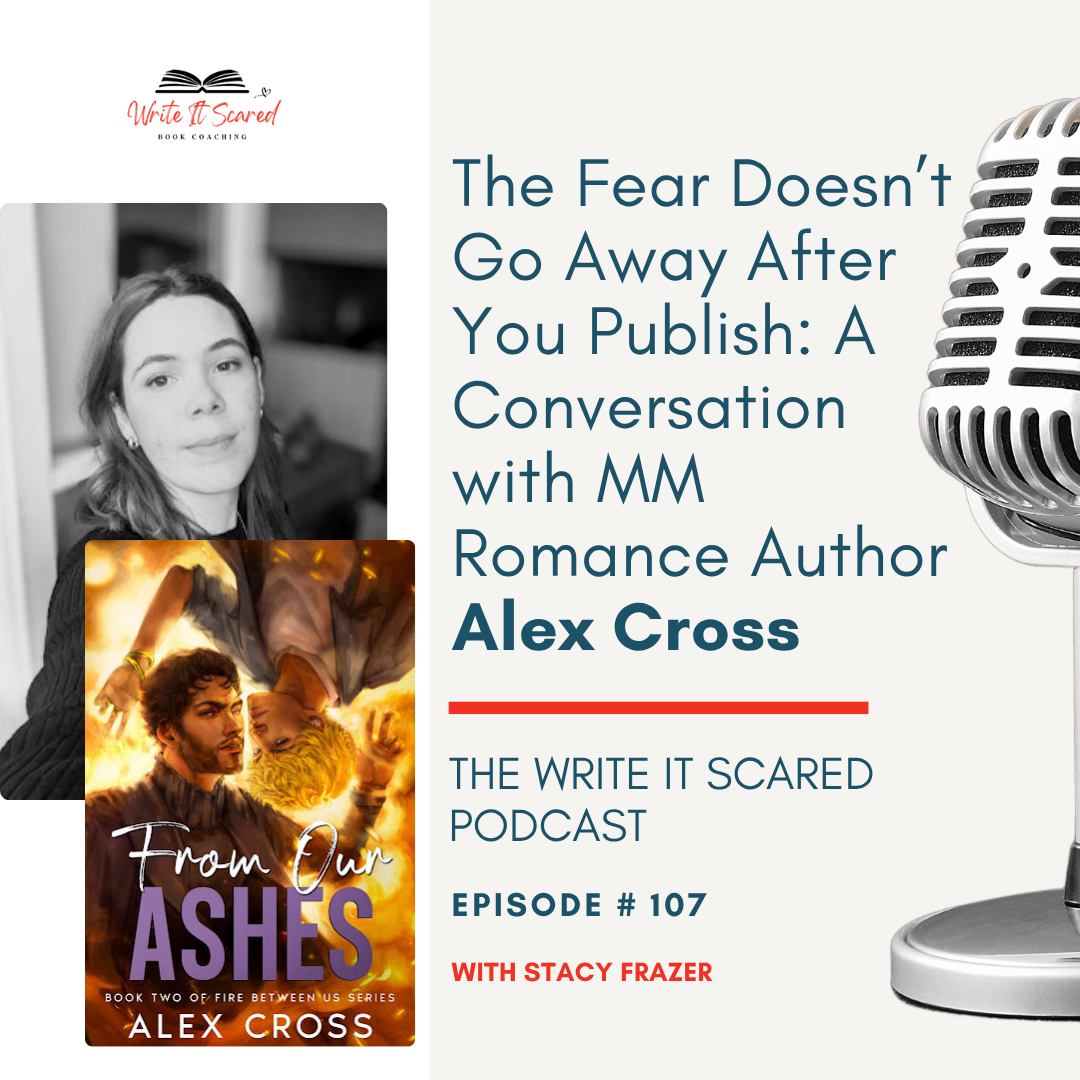
This week on the podcast, Alex and I talked about writing emotionally messy relationships, crafting deeply character-driven romance, and learning how to protect your creativity after becoming a published author.
But beneath all those topics lay something deeper: the reality that success doesn’t magically erase fear or self-doubt.
In many ways, publishing amplified it.
Writing the Stories That Felt True
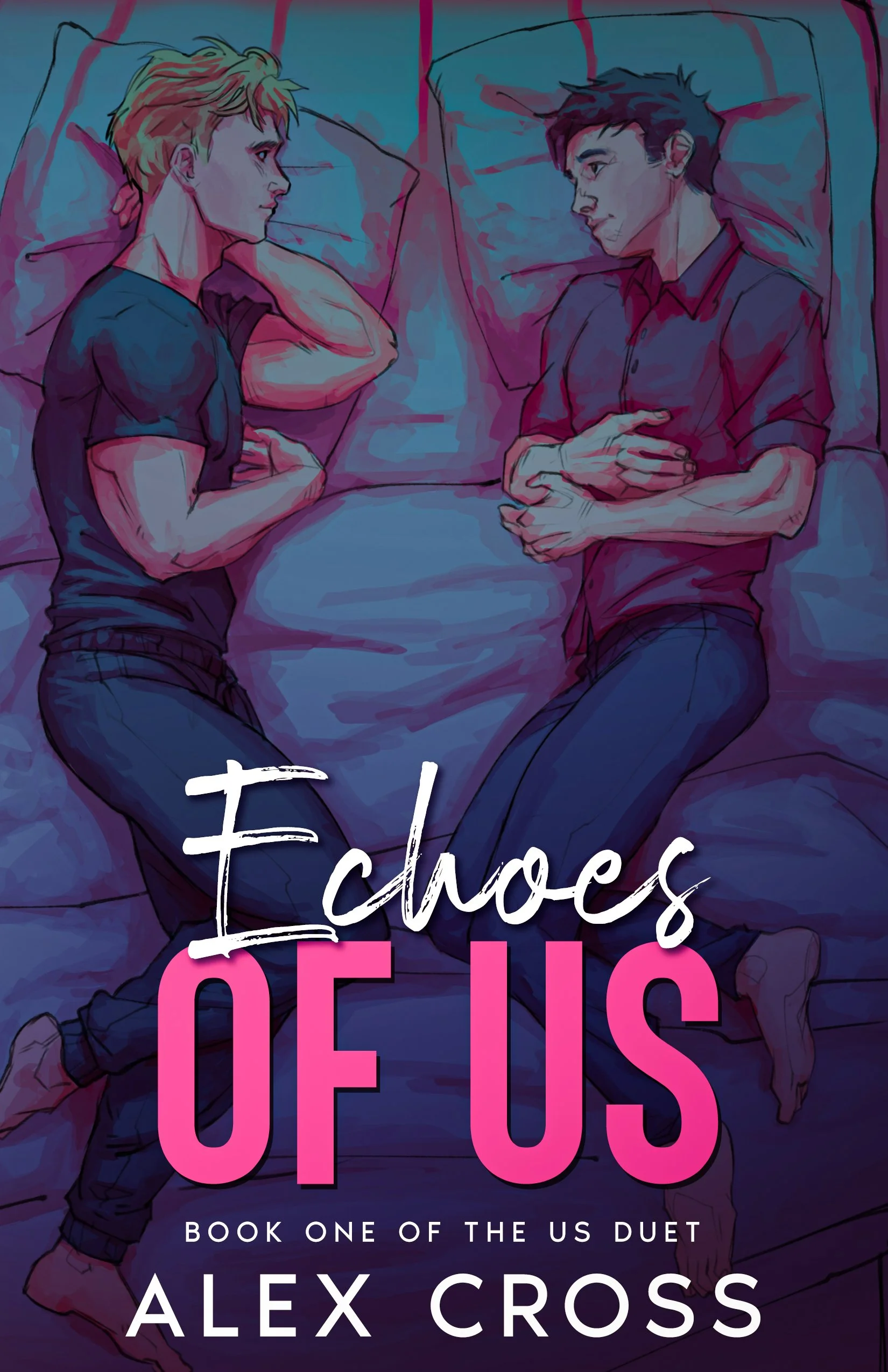
Alex’s debut novel, Echoes of Us, wasn’t exactly the “safe” kind of romance debut.
The book explores a deeply toxic relationship shaped by addiction, emotional wounds, and painful choices. Rather than romanticizing those dynamics, the story intentionally examines them honestly and asks difficult questions about healing, accountability, and whether love alone is enough to rebuild something broken.
That was what made it such a powerful read.
But it also meant Alex quickly discovered that not every romance reader wanted that kind of emotional experience.
She talked openly about how shocking it was to realize readers weren’t simply reacting to the pacing or prose of the story. Instead, many reactions centered on the characters' morality and on whether the relationship was “acceptable” enough to deserve a happy ending.
That hit her hard.
Because for Alex, these books were never about creating perfect characters. They were about exploring messy humanity. They were about telling the truth.
Becoming a Published Author Changed the Writing Process
One of the most interesting parts of our conversation was hearing how publication changed Alex’s relationship with writing itself.
Before publishing, she wrote instinctively. She followed the story's emotional pull without worrying too much about expectations or marketability. But once readers entered the equation, things became more complicated.
Suddenly, there were reviews. Reader expectations. Online discourse. Conversations about what romance “should” look like. Conversations about whether certain characters deserved redemption at all.
And all that noise started creeping into her writing process.
At one point, Alex described feeling completely blocked while trying to write the sequel to her Fire Between Us series because she had become so hyper-aware of how readers might react to the story.
Would the characters be too flawed?
Too messy? Too difficult? Too morally complicated?
She said there was a period where she literally could not write because she was so consumed by expectations and outside opinions.
I think so many writers—especially published writers—will recognize themselves in that experience.
Because once your work becomes public, it takes real effort to stay connected to your own creative instincts.
The Pressure to Please Everyone
One of the things Alex said that stayed with me most was this:
“I need to stop trying to please people.”
Simple sentence. Huge realization.
The pressure to please people destroys more creativity than lack of talent ever could.
Writers start second-guessing themselves. They chase trends instead of curiosity. They flatten complicated characters because they’re afraid of backlash. They stop taking emotional risks because they’re trying to avoid criticism.
But Alex’s books work precisely because she doesn’t sanitize the emotional messiness.
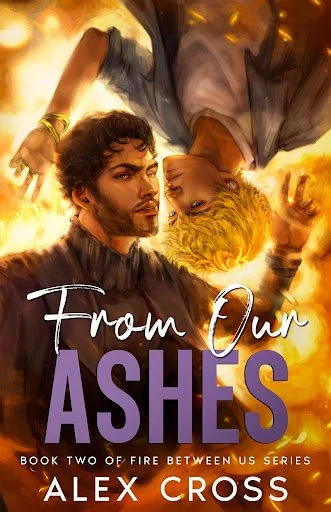
Her stories are deeply character-driven. They lean into flawed people making painful (and often terrible) decisions and slowly working their way toward healing. Even her newer series, When We Ignite and From Our Ashes, continue exploring complicated family dynamics, emotional trauma, and relationships that require real growth rather than easy fixes.
You Don’t Need a Perfect Process
Another thing I appreciated about this conversation was how transparent Alex was about her writing process.
It isn’t neat.
She talked about covering her office walls in Post-It notes, rearranging scenes physically so she could track emotional beats and dual timelines. About rewriting large sections when character motivations stopped feeling aligned, and how she needs to deeply understand her characters psychologically before she can move a story forward.
What struck me most, though, was how much she has learned to trust that process rather than fight it.
She knows now that she’s an intensely character-driven writer. She knows emotional logic matters more to her than rigid plotting. And she knows she needs to understand her characters deeply in order to write authentically.
So instead of trying to force herself into someone else’s version of productivity or storytelling, she’s learned to work with the kind of writer she naturally is.
The takeaway is…don’t waste years trying to “fix” your process. Instead, focus on understanding it.
Protecting Your Creativity Matters
Toward the end of our conversation, Alex talked about the practical steps she’s taken to protect her creativity and mental health as a published author:
She has a phone dedicated to social media only and limits her time there.
She avoids reading reviews.
She disconnects from online chatter when it starts becoming emotionally overwhelming.
She focuses on trusted readers and collaborators instead of trying to absorb every opinion floating around the internet.
The ability to step away and shut the noise off is a necessity for all writers.
Because the internet rewards constant comparison and emotional reactivity.
It’s very easy to lose sight of why you started writing in the first place when you’re constantly measuring yourself against sales numbers, trends, rankings, algorithms, or other authors’ careers.
Alex spoke beautifully about wanting to hold onto the original joy of storytelling—the satisfaction of tying emotional threads together, building complicated relationships, and giving characters the hard-earned happy endings they fought for.
That’s the part she’s trying to protect now.
Final Thoughts
One of the biggest traps writers fall into is believing that publication will somehow make them feel secure.
That once the book is out, the doubt disappears.
But often the opposite happens. The fear simply changes shape.
Now the fear becomes:
Will readers like this one? Will they follow me into a different story? Will I disappoint people? Can I still trust my instincts?
What I loved about this conversation is that Alex doesn’t pretend to have completely conquered those fears.
Instead, she’s learning how to keep writing alongside them, and that’s one of the most important creative skills any writer can develop.
Where to Connect with Alex Cross
To connect with Alex and read her books, go to her website and follow her on Instagram, Facebook, or TikTok.
Her latest release, From Our Ashes, is available now on Kindle Unlimited.