Querying a novel isn’t easy. It’s vulnerable, often confusing, and competitive.
So when I had the chance to sit down with literary agent and author Ann Rose, I wanted to dig into what actually makes an agent pause in their inbox and think, Oh. This one. I wanna read this one.
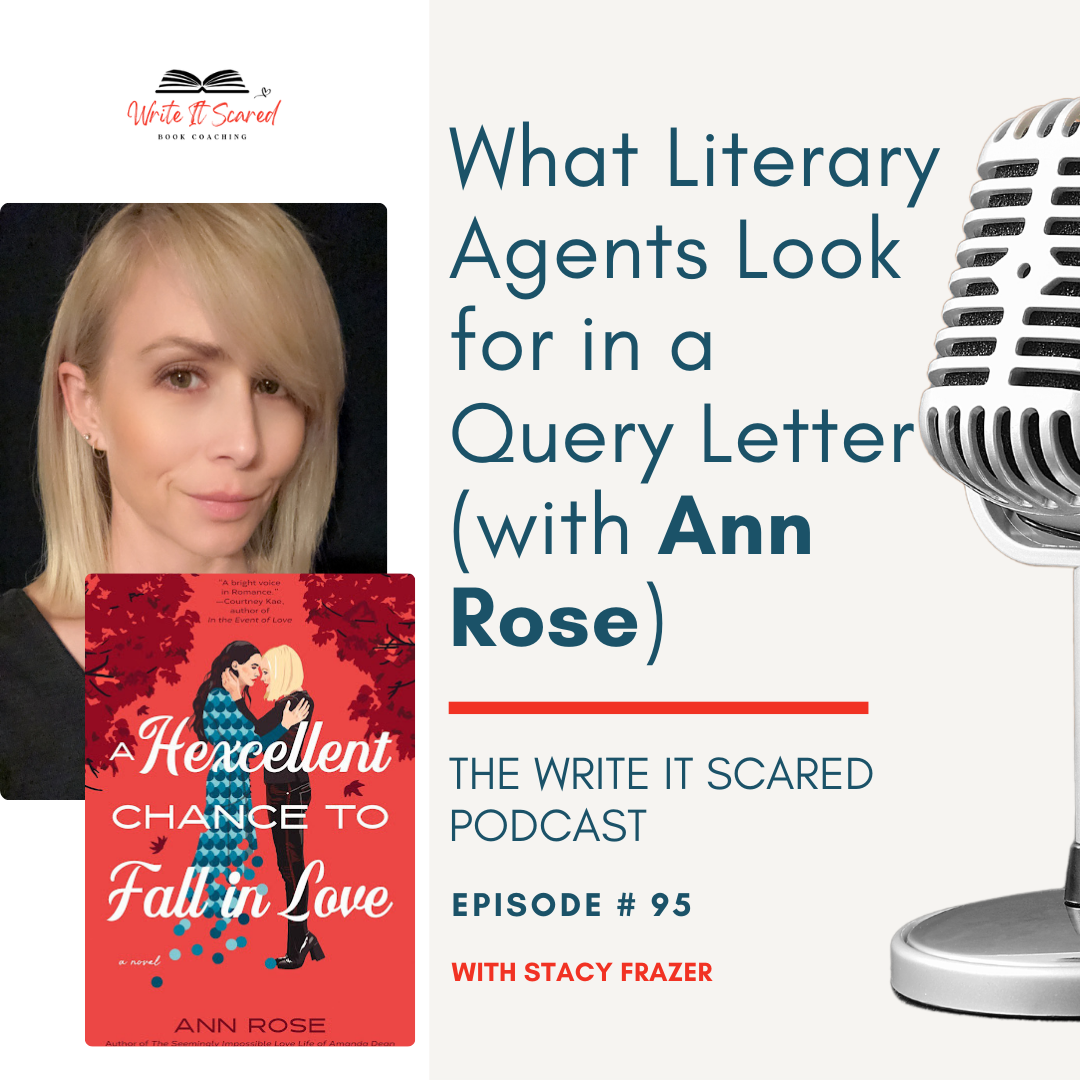
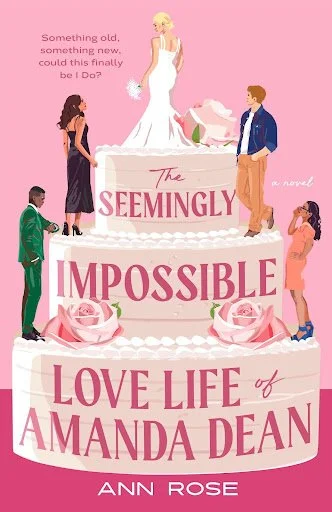
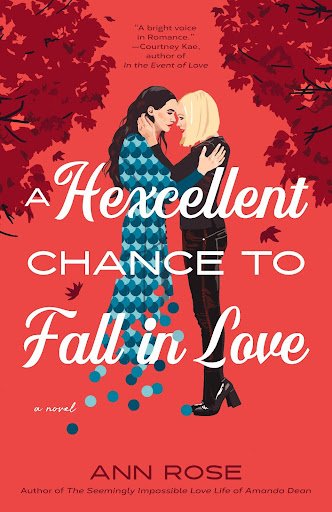
Ann is an agent with The Tobias Literary Agency and the author of two adult novels, The Seemingly Impossible Love Life of Amanda Dean and A Hexcellent Chance to Fall in Love. She knows this process from both sides of the desk.
Here’s what writers need to know:
Your Query Letter Doesn’t Have to Be Perfect
Ann emphasized that she’s not looking for a flawless query. She’s looking for:
A strong concept represented by a clear hook
Clear stakes
A sense of who the main character is
What they want
What stands in their way
And what happens if they fail
If she understands those components—and the writing is solid—there’s something to work with.
One of the fastest ways to catch her attention?
A sharp, compelling hook.
For example:
“Dexter meets Legally Blonde.” That was the hook from a query in Ann’s slush pile, and the book This Girl Is a Killer, by Emma C. Wells, debuted in 2024.
That hook lets you know instantly what the book is about. That’s what Ann means when she says a hook that shows a clear concept.
If You’re Getting Only Form Rejections…
If you’re querying widely and only receiving form rejections, it likely means something isn’t landing in either:
The query letter itself
Or the opening pages
That doesn’t mean the book is bad. It means something isn’t clicking quickly enough.
On the flip side, if you’re getting partial or full requests but then rejections after the manuscript is read? That often points to pacing issues—especially the dreaded murky middle.
Ann shared a revision tip that honestly blew my mind:
“If your middle drags, look at your ending.”
Could that climactic moment of the story be moved earlier—maybe to the midpoint?
Then raise the stakes for a stronger ending?
Sometimes it’s not about adding more plot. It’s about repositioning what you already have.
Why Agents Ask for a Synopsis (And Why Spoilers Are Required)
I do not like writing a synopsis, and I’ve yet to meet a writer who does.
But here’s why Ann loves a synopsis: it shows her how you think as a storyteller.
A strong synopsis doesn’t just list events—It shows cause and effect.
Not: This happens. Then this happens. Then this happens.
But: This happens, therefore this happens. But then this happens, so this must happen.
That connective tissue is what tells an agent you understand story structure and character arc.
And yes—agents expect spoilers.
They need to know the ending. Don’t be vague. Don’t tease. They need to know your narrator is unreliable. They need to see all your twists and reveals.
The synopsis isn’t marketing copy like the query is. Instead, think of it more like a structural blueprint. So outline your major plot points, then focus on connecting them. Word count is important. Aim to keep it to one or two pages (500-1000 words), but don’t be afraid if you need to go over a bit to show vital moments of the story.
Writing a Novel Is Art… Until It Isn’t
One of the most important things for a writer aiming for traditional publishing to understand is that writing the book is an art. But publishing is about selling a product.
Once you step into the publishing arena, your manuscript becomes something a team needs to position, market, and sell.
That might mean:
Title changes
Character tweaks
Structural revisions
Market-driven decisions
That doesn’t invalidate your art, but it does require flexibility. The more you understand that shift, the less blindsided you’ll feel by it.
The Current Publishing Climate and The Effect on Querying Writers
These are tough times for querying writers, and Ann was transparent about the factors that led to rejections and silence after submissions.
There are more writers querying than ever—which is great —but the increase in volume means response times are longer. The publishing industry as a whole has seen a slower response time from acquisition to market-readiness over the last five years. Editors from publishing houses take longer to respond to agent submissions. What once took weeks now takes months.
Sometimes rejections have nothing to do with quality. It may be:
The agent already has something similar.
The market is saturated in that niche.
The timing just isn’t right.
That’s frustrating—but it’s not personal.
The Best Advice She’s Ever Received
Two things:
Write your query before you write your book.
If you can clearly articulate your hook, goals, obstacles, and stakes up front, you’ll save yourself a lot of revision pain later.
Stay in your lane.
Publishing journeys vary wildly. Comparing timelines is a fast track to misery. Focus on what you can control.
About Ann’s Books
Ann’s debut adult novel, The Seemingly Impossible Love Life of Amanda Dean, is a non-linear romance that follows Amanda through different years of her life as readers try to determine who might be waiting for her at the altar. It’s clever, layered, and structurally ambitious.
Her second novel, A Hexcellent Chance to Fall in Love, is a sweet romance with light paranormal vibes. Imagine a seasonal Halloween store that requires a human soul to operate—and a heroine who can remember everyone, but no one remembers her.
The hook: Addie LaRue + Sapphic Romance + Halloween.
Want to Connect with Ann?
Ann enjoys feminist stories about strong women and exploring tough topics. She is open to all genres for middle grade and young adult—everything from contemporary to romance to fantasy. In the adult category, she represents romance, light sci-fi or fantasy, commercial fiction, contemporary fiction, historical fiction, mystery, and thriller.
You can learn more about representation interests at The Tobias Literary Agency.
For Ann’s books, please visit her author website. You can also find her on Instagram, Threads, and TikTok at @totally_anntastic