Should You Self-Publish Your Novel? Author Libby Waterford Breaks It Down
Have you ever wondered if self-publishing is a viable option for your work?
Same.
I’ve been considering going indie for my romance novels, and if you’re anything like me, you’ve probably got a ton of questions about what it actually involves, how much it costs, and whether it’s just too much, too overwhelming.
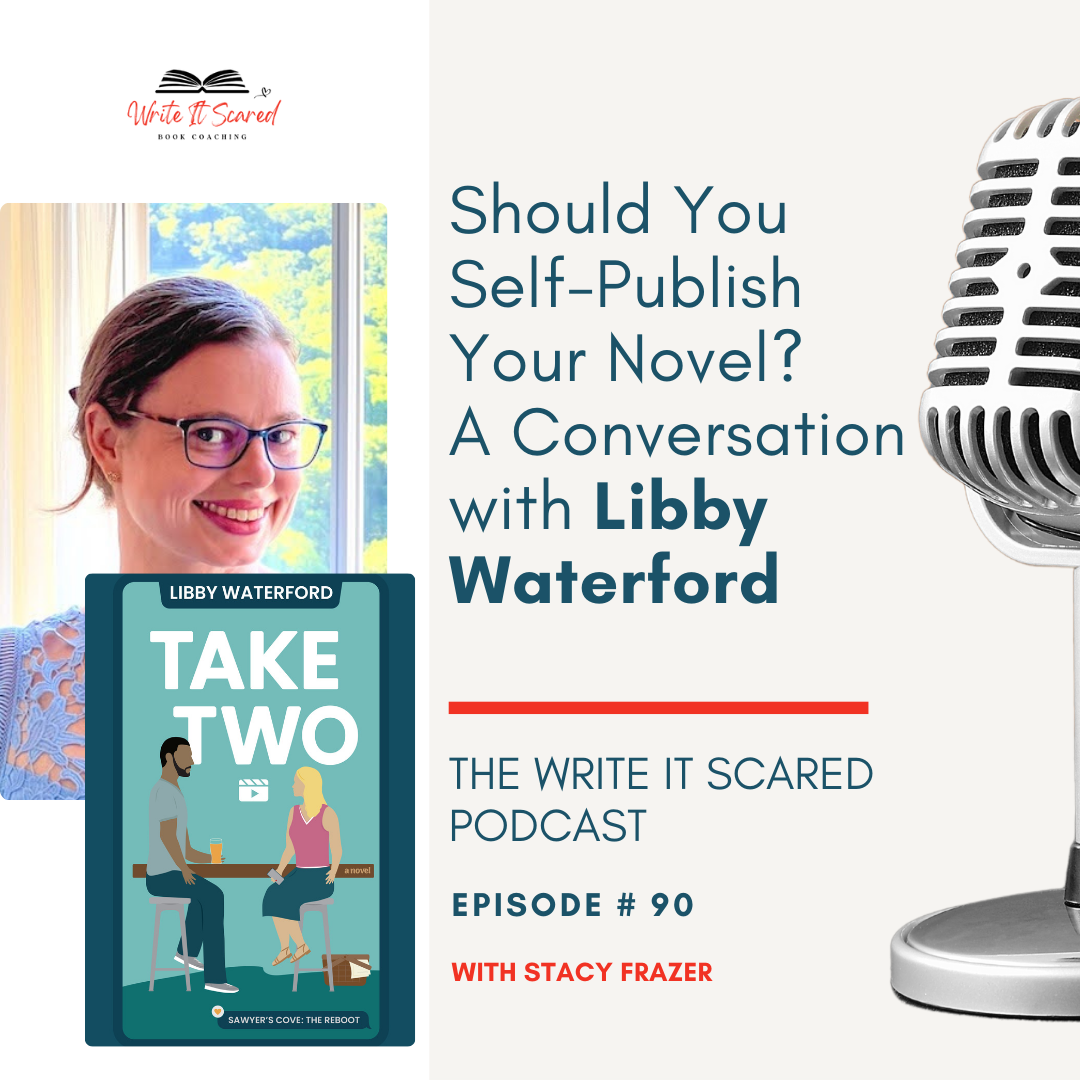
That’s why this week’s podcast episode was such a gift. I sat down with Libby Waterford—a prolific romance author, writing teacher, and self-publishing coach with more than 20 indie titles to her name.
Libby had several titles published by a traditional press when she changed lanes and taught herself the ins and outs of independent publishing, and she’s built a long-term writing career that works for her life and goals.
And that’s exactly the point: Self-publishing isn’t right for every writer—but it might be perfect for you.
This conversation was packed with wisdom about what indie publishing actually takes, what writers often get wrong when they start down that path, and how to think strategically about building a sustainable career.
There’s No One “Right” Way to Publish
Let’s start here: there’s no publishing path that’s objectively better than another. What matters is what you want from your writing career—and what kind of process, timeline, and ownership structure fits your life and goals.
Libby’s journey began with traditional small-press publishing, then shifted after having children and the need for greater flexibility. She did her research, sought support from a writing community, and acknowledged that her goals had changed.
Whether you’re drawn to the creative freedom of self-publishing or the structure of traditional publishing, the key is to ask:
What do I want from this—and why? Then educate yourself.
Self-Publishing = Full Ownership (and Responsibility)
If you self-publish, you are the publisher. It’s all on you. That means:
You choose your editors, cover designers, and formatters
Or you can do those tasks yourself to reduce costs. (Caveat: Don’t skip paying for editing, especially copyedits and proofreading.)
You decide the timeline, price point, and distribution channels
You handle the marketing (or hire someone who does)
You learn through doing, and you make the final call on everything
That level of control can be incredibly empowering. But it can also be overwhelming if you’re not ready for the volume of decisions required to take a book from a Word doc to a bookshelf.
That’s why Libby recommends getting support early. Education is key. Either through classes, coaching, or community. Not just to avoid mistakes—which is impossible—but to have someone in your corner when they inevitably happen, and the decision fatigue hits.
Your Goals Should Drive Your Strategy
This came up repeatedly in our conversation.
What are your goals for this book?
What are your goals for your writing career overall?
Because the answers to those questions determine how you publish, how much money and time you invest, how fast you release new work, and how you measure success.
Want to hold your printed novel in your hands and just share it with family? Don’t care if you make a dime? Well, then your publishing approach will look different than someone who’s trying to make a full-time income with a long backlist and robust newsletter funnel.
And that’s okay.
The point is to get clear so you can make aligned decisions.
It Is a Business—So Budget Accordingly
If you are serious about writing a book and getting it published so that others will read and enjoy it, you will need to invest money. You’ll need to learn the craft, which can mean buying craft books, attending conferences, hiring editors (or writing coaches), building a website, paying for a newsletter platform, and gaining access to writing and publishing organizations.
All of that is the base cost of being a writer who’s working to create a viable product. Yep, I know. I said it. Our babies become products at some point.
Self-publishing will require authors to incur higher upfront costs than traditional publishing, as they are responsible for editing, design, ISBNs, formatting, and marketing.
If you’re going the self-publishing route, Libby recommends budgeting early—and realistically. Think about your financial goals.
Do the math. Ask:
How much am I willing to invest in this book?
How many copies would I need to sell to recoup that cost?
How much time am I giving myself to do that?
Some writers prefer to keep costs low on their first books, especially if they plan to build a backlist. Others are ready to invest more upfront. There’s no one formula—but it’s worth approaching the numbers with eyes open.
The Hardest Part Isn’t Publishing—It’s Selling
You can learn how to format a book. You can figure out Amazon’s KDP platform. You can hire an editor and have a beautiful cover created.
But getting your book into the hands of readers? That’s the real challenge.
Marketing is often where new indie authors get overwhelmed. It’s also where many give up, because they expected the work to be done once the book was live.
Libby’s advice?
Keep showing up
Cross-promote with other authors
Build a newsletter early (she emails her list twice a month)
Release consistently (if that’s your model)
Consider giving away Book 1 in a series to drive sales of the others
Be willing to test and iterate
And most importantly—stay in your lane. Come back to your goals when the noise gets loud.
And maybe even more important than staying in your own lane is writing the next book (again, if that’s your aim). Your best marketing tool is your next book!
Final Thoughts
If you’re even curious about self-publishing, this episode is worth a listen and probably a repeat.
Libby brings clarity and realism to the conversation on independent publishing. She’s not selling hype or promising overnight success. She’s saying: You can do this. But know what you’re getting into and know what you’re aiming for.
And if you’re a control-loving, strategy-curious, multi-tasking writer who doesn’t want to wait two years for someone else to give you permission to publish… then my friend independent publishing might be your thing.
I’m trying to decide whether my current reality can accommodate the learning curve required for self-publishing. TBD friends. In the meantime, I’m just gonna sit down and write my novel and then the next one. Hope you do too.
About Libby Waterford
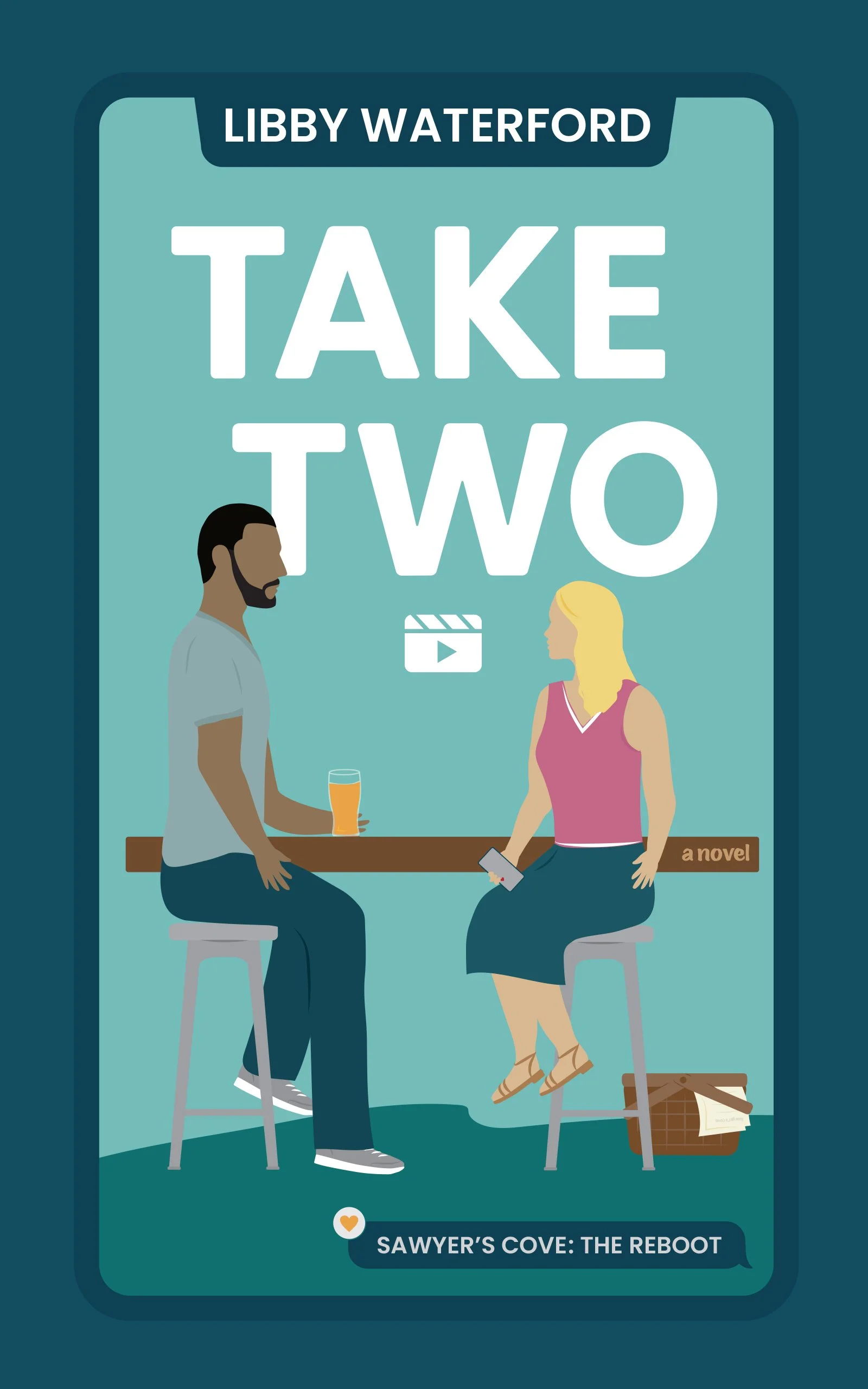
Libby is the author of the Sawyer’s Cove: The Reboot and Never a Bride contemporary romance series, as well as steamy small-town M/M romances under her pen name Elle Waters. She teaches genre fiction and self-publishing through Westport Writers Workshop and shares her writing on Substack.